
Dashboard warning lights index
Here are some of the main warning lights you may see on your dashboard, with a summary of what they mean and action you should take.
What Do Dashboard Warning Light Colours Mean?
Not all warning lights mean the same thing. The colour of the light tells you how urgent the situation is and what you should do next. Understanding this can save you stress, time, and money.
🔴 Red Warning Lights
Stop driving as soon as it’s safe
Red lights mean there’s a serious issue that could cause damage or affect safety if you continue driving. Examples include:
– Engine oil pressure
– Engine overheating
– Brake system faults
– Immobiliser or charging system failure
What to do: Safely stop, turn the engine off, and get professional advice before continuing.
👉 If you see a red warning light, contact Fault Fixer immediately.
🟠 Amber / Orange Warning Lights
Drive with caution – get it checked
Amber lights mean something isn’t working as it should, but the vehicle may still be safe to drive for a short time. Examples include:
– Engine management light
– DPF warnings
ABS or traction control faults
– AdBlue system warnings
What to do: Avoid hard driving and book diagnostics as soon as possible.
Ignoring amber warnings often turns a small issue into an expensive one.
👉 Fault Fixer can diagnose these issues quickly and explain your options clearly.
🟡 Yellow Warning Lights
Attention needed soon
Yellow lights are usually early warnings or maintenance-related alerts.
Examples include:
– Low fuel
– Tyre pressure warnings
– Brake pad wear indicators
What to do: Plan to address the issue soon to prevent further problems.
👉 If a yellow light keeps returning, Fault Fixer can check why.
🟢 Green / Blue Lights
Information only
These lights are simply letting you know a system is active.
Examples include:
Headlights or high beam indicators
Cruise control
Driver assistance systems
What to do: Nothing — these are normal.
Not Sure What a Light Means?
Modern vehicles can display the same warning light for many different reasons. Guessing often leads to unnecessary repairs or breakdowns.
If in doubt, contact Fault Fixer.
We’ll tell you what the light actually means, whether it’s urgent, and what to do next — in plain English.
Common warning lights
(click an icon to see the full explanation)











Warning lights details (click headlines for full explanation)
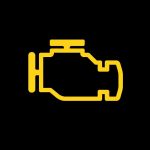
Engine Management Light (Check Engine Light) [click here to expand & close]
What is it?
This light means your car’s engine management system has detected a problem. That could be anything from a loose sensor to an issue affecting emissions, fuel delivery, or how the engine is running. In short: your car has spotted something it doesn’t like.
Is it serious?
Sometimes yes, sometimes no.
That’s the tricky part.
■ If the light is on but not flashing, the car is usually safe to drive for a short time.
■ If the light is flashing, stop driving as soon as it’s safe — continuing could cause serious engine damage.
What should you do?
■ Don’t ignore it — small issues can turn into expensive ones.
■ Avoid hard driving or long journeys until it’s checked.
The only way to know what’s really going on is to scan the fault codes.
How we can help
At Fault Fixer, we can:
■ Plug straight into your vehicle
■ Read the exact fault code
■ Explain the issue in plain English
■ Tell you whether it’s urgent, needs monitoring, or can be fixed on the spot
No guesswork. No unnecessary parts. Just clear answers and the right fix.
👉 Seen this light on your dashboard? Get in touch with Fault Fixer before it gets worse.
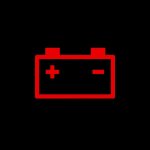
Battery / Charging System Warning Light [click here to expand & close]
What is it?
This light means there’s a problem with your car’s charging system.
Despite how it looks, it’s not just the battery — it can also relate to the alternator, drive belt, wiring, or voltage control.
In simple terms: your battery may not be charging properly while you’re driving.
Is it serious?
Yes — this one can stop you dead.
■ If the battery isn’t being charged, the car will eventually lose power.
■ Once the battery runs flat, the engine will cut out and won’t restart.
■ Power steering, lights, and safety systems may also be affected as voltage drops.
What should you do?
If the light comes on while driving, turn off any non-essential electrics (heated seats, air con, radio).
■ Avoid switching the engine off until you’re somewhere safe.
■ Don’t plan long journeys — you may not make it.
How we can help
At Fault Fixer, we can:
■ Test the battery and charging system on the spot
■ Check alternator output and voltage regulation
■ Identify whether it’s a battery, alternator, belt, or wiring issue
■ Advise whether it’s safe to drive or needs immediate attention
👉 If this light is on, don’t wait until you’re stranded — call Fault Fixer and let us diagnose it properly.
Engine Coolant / Temperature Warning Light [click here to expand & close]
What is it?
This light means your engine is running too hot or there’s a problem with the cooling system.
Your engine relies on coolant to keep temperatures under control — if that system isn’t working properly, heat builds up fast.
Is it serious?
Yes — very serious.
Driving with an overheating engine can cause:
■ Blown head gasket
■ Warped engine components
■ Complete engine failure
This is one of the few warning lights where continuing to drive can cause immediate and expensive damage.
What should you do?
Safely pull over as soon as you can.
Turn the engine off and let it cool down.
■ Do not open the coolant cap while the engine is hot — it can cause serious burns.
■ Do not continue driving “just to get home”.
How we can help
At Fault Fixer, we can:
■ Check engine temperature data and sensor readings
■ Identify coolant, thermostat, fan, or sensor faults
■ Advise whether it’s safe to drive or needs recovery
■ Help prevent a small issue turning into a major engine repair
👉 If this light appears, stop driving and contact Fault Fixer before permanent engine damage occurs.
Airbag / SRS Warning Light [click here to expand & close]
What is it?
This light means there’s a fault with your car’s airbag or seatbelt restraint system (often called the SRS system).
That could involve:
■ Front or side airbags
■ Seatbelt pretensioners
■ Crash sensors or wiring under the seats
In simple terms: the system designed to protect you in a crash may not work properly.
Is it serious?
Yes — but not in the way people expect.
■ The car will usually drive normally, but if you were involved in an accident:
■ Airbags may not deploy at all
■ Seatbelt pretensioners may not tighten
■ In rare cases, airbags could deploy unexpectedly
What should you do?
■ Don’t ignore it just because the car “feels fine”.
■ Avoid putting items under seats or unplugging connectors.
■ Get the system checked as soon as possible — this is a safety issue, not a convenience one.
How we can help
At Fault Fixer, we can:
■ Read SRS fault codes safely
■ Identify whether the issue is a sensor, wiring, or module fault
■ Reset faults where appropriate
■ Advise if the vehicle is safe to continue using
👉 If this light is on, your safety systems may not protect you — contact Fault Fixer for a proper diagnosis.
Power Steering Warning Light [click here to expand & close]
What is it?
This light means there’s a problem with your car’s power steering system.
Depending on the vehicle, this could be:
■ A fault with electric power steering
■ Low or leaking power steering fluid (on older systems)
■ A sensor, fuse, or control module issue
Put simply: the steering assistance isn’t working properly.
Is it serious?
Yes — it can be.
The car will usually still steer, but the steering wheel can become very heavy.
This is most noticeable at low speeds, such as parking or roundabouts.
Sudden loss of steering assistance can be dangerous if you’re not expecting it.
What should you do?
■ Drive with extra care and avoid tight manoeuvres.
■ If the steering feels unusually heavy or erratic, don’t keep driving.
■ Do not ignore the warning — steering issues rarely fix themselves.
How we can help
At Fault Fixer, we can:
Read steering system fault codes
■ Check live data from steering sensors and modules
■ Identify whether the fault is electrical, mechanical, or fluid-related
■ Tell you clearly whether it’s safe to drive or needs immediate attention
👉 If this light is on, steering may be compromised — contact Fault Fixer for a proper diagnosis before it becomes a bigger problem.
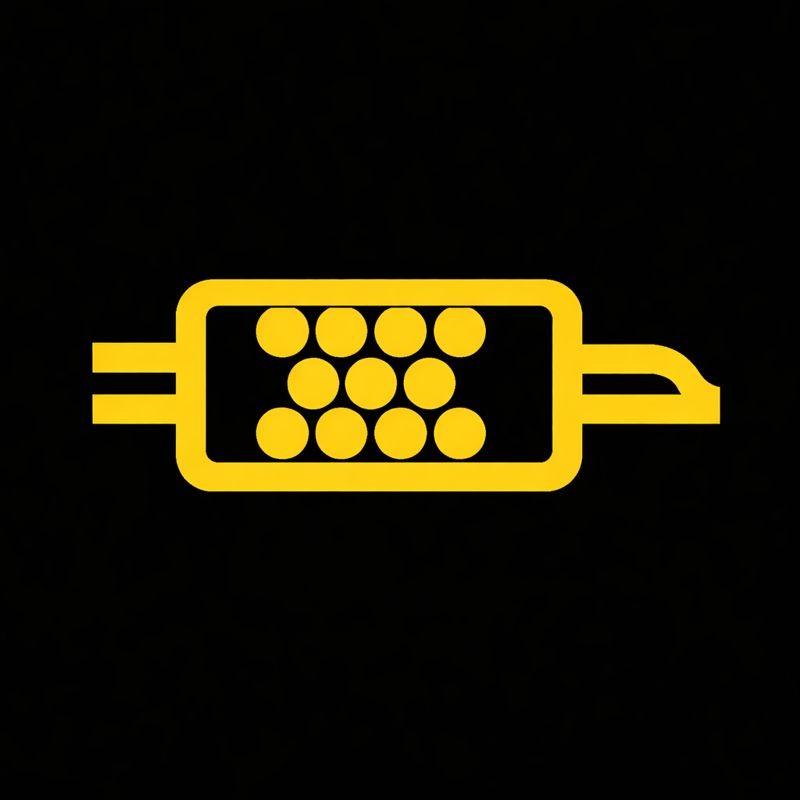
Diesel Particulate Filter (DPF) Warning Light [click here to expand & close]
What is it?
This light means there’s a problem with your vehicle’s Diesel Particulate Filter (DPF).
The DPF’s job is to trap harmful soot from the exhaust and burn it off during normal driving.
If this light appears, it usually means the filter is becoming blocked or isn’t regenerating properly.
Is it serious?
Yes — but it’s very fixable if caught early.
At first, the car may still drive normally.
If ignored, the blockage can worsen and cause:
■ Loss of power
■ Poor fuel economy
■ Engine management warnings
■ In severe cases, limp mode or forced shutdown
Left too long, what could have been cleaned may end up needing replacement — and that’s expensive.
What should you do?
■ Avoid short journeys and stop-start driving.
■ Don’t ignore the warning hoping it’ll go away — it rarely does.
The sooner the DPF is checked, the easier (and cheaper) it is to resolve.
How we can help
At Fault Fixer, we’ll first confirm what’s actually going on by checking fault codes and live data.
If it’s a DPF issue, we can then pass you straight to our sister company DPF Fixer, who specialise in:
■ Professional DPF cleaning
■ Forced and on-vehicle regeneration
■ Restoring blocked filters without replacing them
👉 If this light is on, act early — contact Fault Fixer and we’ll make sure you’re pointed to the right fix before it becomes a big bill.
Diesel Particulate Filter (DPF) Warning Light – Early Stage[click here to expand & close]
What is it?
This light means your Diesel Particulate Filter is starting to fill up with soot.
At this stage, the DPF isn’t blocked — it’s simply not completing its normal self-cleaning process (called regeneration).
This is the car’s way of saying: “I need the right driving conditions to clear myself.”
Is it serious?
Not yet — but it will be if ignored.
At this stage, the DPF can often still be cleared.
Ignoring the warning allows soot to build up further.
If it progresses, you may see:
■ Loss of power
Engine management warnings
A fully blocked DPF
■ Early action saves money. Late action gets expensive.
What should you do?
Avoid short trips and stop-start driving.
If safe to do so, a longer drive at steady speed may help regeneration.
If the light stays on, don’t keep guessing — it needs checking.
How we can help
At Fault Fixer, we’ll confirm whether the DPF is regenerating correctly by checking live data and fault codes.
If cleaning is needed, we’ll refer you directly to our sister company DPF Fixer, who specialise in:
On-vehicle DPF cleaning
Forced regeneration
Restoring performance without replacing the filter
👉 If this light is on, act early — contact Fault Fixer and we’ll make sure your DPF is dealt with before it becomes a major issue.
Engine Temperature Warning Light (Red) [click here to expand & close]
What is it?
This light means your engine is overheating right now.
Unlike the amber temperature warning, the red light indicates the engine temperature is already at a dangerous level.
In simple terms: the engine is too hot and damage can happen quickly.
Is it serious?
Yes — extremely serious.
Continuing to drive with this light on can cause:
■ Blown head gasket
■ Warped cylinder head
■ Complete engine failure
This is one of the few warning lights where driving on can destroy the engine within minutes.
What should you do?
■ Stop driving immediately when it’s safe to do so.
■ Turn the engine off and allow it to cool.
■ Do not open the coolant cap while the engine is hot — this can cause serious injury.
■ Do not attempt to “limp home”.
How we can help
At Fault Fixer, we can:
■ Diagnose cooling system faults
■ Check sensors, fans, thermostats, and coolant levels
■ Advise whether the vehicle can be repaired roadside or needs recovery
■ Help prevent catastrophic engine damage
👉 If this red temperature light appears, stop driving and contact Fault Fixer immediately.
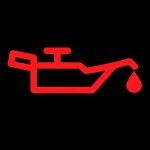
Engine Oil Pressure Warning Light (Red) [click here to expand & close]
What is it?
This light means your engine has low or no oil pressure.
Oil pressure is what keeps all the internal engine parts lubricated. Without it, metal parts start grinding against each other almost immediately.
This is not the same as a low oil level warning — it’s more serious.
Is it serious?
Yes — extremely serious.
Driving with low oil pressure can cause:
■ Severe engine wear
■ Bearing failure
■ Complete engine seizure
Damage can occur within seconds, not miles.
What should you do?
■ Stop driving immediately when it’s safe.
■ Turn the engine off straight away.
■ Do not restart the engine “just to move it”.
■ Do not assume adding oil will fix it — it may not.
How we can help
At Fault Fixer, we can:
■ Check oil pressure readings and sensor data
■ Identify whether the issue is low oil, a faulty sensor, or a mechanical fault
■ Advise whether the engine can be safely restarted
■ Help prevent catastrophic engine damage
👉 If this red oil light comes on, stop the engine and contact Fault Fixer immediately.
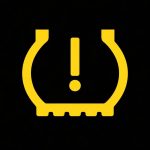
Tyre Pressure Warning Light (TPMS) [click here to expand & close]
What is it?
This light means one or more of your tyres is under-inflated.
Your car’s Tyre Pressure Monitoring System (TPMS) has detected a drop in pressure below the safe level.
In simple terms: a tyre is losing air.
Is it serious?
Yes — but usually quick to fix.
Driving on low tyre pressure can cause:
■ Poor handling and longer braking distances
■ Increased fuel consumption
■ Uneven tyre wear
■ Risk of a blowout if ignored
It’s not usually an “engine off immediately” warning — but it shouldn’t be ignored.
What should you do?
■ Slow down and avoid harsh braking or sharp turns.
■ Check all tyres as soon as it’s safe.
■ Inflate them to the correct pressure (usually listed on the door frame or fuel flap).
If the light stays on, you may have a slow puncture.
How we can help
At Fault Fixer, we can:
■ Identify which tyre is triggering the warning
■ Check for pressure loss or sensor faults
■ Reset the TPMS once pressures are corrected
■ Advise if the tyre is safe or needs repair
👉 If this light keeps coming back, contact Fault Fixer and we’ll make sure it’s properly sorted — not just temporarily hidden.
ABS Warning Light [click here to expand & close]
What is it?
This light means there’s a fault with your car’s Anti-lock Braking System (ABS).
ABS helps prevent the wheels from locking under heavy braking, allowing you to keep steering control in an emergency.
If this light is on, ABS is not working, but your normal brakes usually still are.
Is it serious?
Moderately serious — but not a stop-immediately situation
■ The car will still brake as normal.
■ ABS assistance during hard braking is disabled.
■ On wet or slippery roads, stopping distances may increase.
It’s safe for short journeys, but it should be checked.
What should you do?
■ Drive with extra care, especially in poor weather.
■ Avoid harsh braking where possible.
■ Get the fault diagnosed rather than ignoring it.
How we can help
At Fault Fixer, we can:
■ Read ABS fault codes
■ Check wheel speed sensors and wiring
■ Identify whether it’s a sensor, ring, or control module issue
■ Advise if the vehicle is safe to continue using
👉 If the ABS light is on, Fault Fixer can quickly identify the issue and stop it becoming a bigger safety concern.
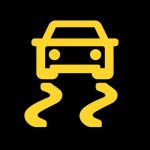
Traction Control / Stability Control Warning Light [click here to expand & close]
What is it?
This light relates to your car’s traction control or electronic stability system.
These systems help keep the car stable by reducing wheel spin and correcting skids, especially in poor grip conditions.
If the light flashes, the system is actively working.
If the light stays on, there’s likely a fault and the system may be disabled.
Is it serious?
Not immediately dangerous — but it does reduce safety.
The car will still drive normally.
You won’t have electronic assistance if the vehicle starts to skid.
Handling may be less predictable in wet, icy, or loose road conditions.
It’s safe for short journeys, but best not ignored.
What should you do?
■ Drive more cautiously, especially in bad weather.
■ Avoid aggressive acceleration or sharp cornering.
■ Get the system checked to restore full safety features.
How we can help
At Fault Fixer, we can:
■ Scan traction and stability control fault codes
■ Check wheel speed sensors and related systems
■ Identify whether the issue is a sensor, wiring, or module fault
■ Advise whether it’s safe to continue driving
👉 If this light stays on, Fault Fixer can diagnose the issue and help restore your vehicle’s safety systems.
Brake Pad Wear Warning Light [click here to expand & close]
What is it?
This light means your brake pads are getting low and are nearing the end of their usable life.
Many modern vehicles have sensors fitted to the brake pads that trigger this warning before they become unsafe.
In simple terms: your brakes still work, but the pads are wearing out.
Is it serious?
Not immediately — but it shouldn’t be ignored.
Braking performance may gradually reduce.
If pads wear down too far, they can damage brake discs.
Ignoring it can turn a routine pad change into a more expensive repair.
What should you do?
■ Book a brake inspection soon.
■ Avoid heavy or aggressive braking where possible.
■ Don’t wait for noise or grinding — by then, damage may already be done.
How we can help
■ At Fault Fixer, we can:
■ Confirm whether the warning is genuine or sensor-related
■ Check brake wear data where available
■ Advise how urgent the repair is
Help prevent unnecessary disc damage and extra cost
👉 If this light is on, Fault Fixer can help you deal with it early — before it becomes a bigger bill.
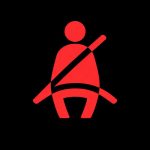
Seat Belt Warning Light (Red) [click here to expand & close]
What is it?
This light means a seat belt is not fastened.
It can relate to the driver, a front passenger, or in some vehicles, rear seats as well.
The system uses sensors to detect whether someone is seated and properly buckled.
Is it serious?
From a safety point of view — yes.
From a mechanical point of view — no.
The vehicle is not damaged, but:
■ You’re at higher risk of injury in an accident
■ You may hear a warning chime until the belt is fastened
■ In some cars, safety systems work differently if belts aren’t worn
What should you do?
■ Make sure all occupied seats have seat belts fastened.
■ Check for heavy items on seats that may be triggering the sensor.
■ If the light stays on when belts are fastened, there may be a sensor or buckle fault.
How we can help
At Fault Fixer, we can:
■ Diagnose seat belt and occupancy sensor faults
■ Check wiring under seats (a common issue)
■ Reset warning lights where appropriate
■ Confirm whether the system is operating safely
👉 If this light stays on despite seat belts being fastened, Fault Fixer can quickly identify and resolve the issue.
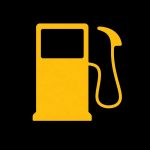
Low Fuel Warning Light [click here to expand & close]
What is it?
This light means your fuel level is very low.
Most vehicles trigger this when there’s only a small reserve left in the tank — often just enough for a short distance.
In simple terms: you’re running on fumes.
Is it serious?
It can be.
Running very low on fuel can cause:
■ The engine to cut out unexpectedly
■ Sediment from the bottom of the tank to be drawn into the fuel system
■ Damage to fuel pumps and injectors (especially on modern vehicles)
■ If the car stalls completely, it may not restart — even after refuelling.
What should you do?
■ Refuel as soon as possible.
■ Avoid hard acceleration or steep hills.
■ If the engine cuts out, don’t keep cranking it — this can cause further damage.
How we can help
If you’ve run out of fuel, misjudged the range, or the car won’t restart after refuelling, Fuel Fixer can help.
Fuel Fixer specialises in:
■ Emergency fuel delivery
■ Restarting vehicles that won’t fire after running dry
■ Diagnosing fuel system issues caused by low fuel or contamination
👉 If your vehicle has run out of fuel or won’t restart after refuelling, contact Fuel Fixer and we’ll get you moving again quickly.
AdBlue / SCR System Warning Light [click here to expand & close]
What is it?
This light means there’s a problem with your vehicle’s AdBlue (SCR) emissions system.
AdBlue is used to reduce harmful exhaust emissions. When the system detects a fault, this warning appears.
The issue may be:
■ Low AdBlue level
■ Crystallised AdBlue blocking injectors or pipes
■ Faulty sensors or heaters
■ System contamination
Is it serious?
Yes — and time-sensitive.
Many vehicles will:
■ Display a countdown of remaining miles
■ Prevent the engine from restarting once the countdown reaches zero
■ Enter limp mode or restrict performance
Ignoring this light can leave you stranded — even if the car is driving fine right now.
What should you do?
■ Don’t assume topping up AdBlue will fix it — often it won’t.
■ Avoid repeated restarts if a countdown is active.
■ Get the system checked as soon as possible.
How we can help
At Fault Fixer, we can:
■ Diagnose AdBlue and SCR system faults
■ Identify whether the issue is level-related, sensor-based, or contamination
■ Reset systems where appropriate and advise next steps
If AdBlue contamination or crystallisation is involved, we can then refer you directly to Fuel Fixer, who specialise in:
■ AdBlue contamination issues
■ Restoring fuel and emissions systems without unnecessary part replacement
👉 If this light is on or a countdown has appeared, contact Fault Fixer immediately — once it hits zero, the vehicle may not restart.

Gearbox / Transmission Warning Light [click here to expand & close]
What is it?
This light means there’s a problem with your vehicle’s gearbox or transmission system.
It can relate to:
■ Automatic or semi-automatic gearboxes
■ Gearbox temperature
■ Sensors, control modules, or hydraulic pressure
In simple terms: the system that controls gear changes has detected a fault.
Is it serious?
Potentially — yes.
■ The car may enter limp mode
■ Gear changes may feel harsh, delayed, or restricted
■ Continuing to drive can worsen internal damage
Sometimes the fault is minor, but without diagnostics there’s no way to know.
What should you do?
■ Avoid hard acceleration or towing.
■ If the car feels jerky or stuck in one gear, stop driving if possible.
■ Do not ignore the warning hoping it will clear itself.
How we can help
At Fault Fixer, we can:
■ Read transmission and gearbox fault codes
■ Check live data such as temperature and pressure
■ Identify whether the issue is electrical, sensor-based, or mechanical
■ Advise clearly whether it’s safe to drive or needs immediate attention
👉 If this light appears, Fault Fixer can diagnose the issue early and help prevent serious gearbox damage.
Glow Plug Warning Light (Diesel Vehicles) [click here to expand & close]
What is it?
This light relates to the glow plug and engine management system on diesel vehicles.
When you first turn the ignition on, the light should come on briefly and then go out — that’s normal.
If the light stays on or flashes while driving, it indicates a fault.
In simple terms: the engine or emissions system has detected a problem.
Is it serious?
It can be — especially if it’s flashing.
■ A flashing glow plug light often indicates an engine management or emissions fault, not just glow plugs.
■ The vehicle may go into limp mode.
■ Performance and fuel economy can be affected.
This warning is commonly linked to EGR, boost control, DPF, or sensor issues.
What should you do?
■ If it’s flashing, avoid hard driving and get it checked promptly.
■ Don’t assume replacing glow plugs will fix it — it usually won’t.
■ If combined with other warning lights, stop guessing and get diagnostics.
How we can help
At Fault Fixer, we can:
■ Read the underlying fault codes
■ Identify whether the issue is glow plugs, emissions, or engine control related
■ Advise whether the vehicle is safe to continue driving
If the fault is DPF or emissions-related, we can refer you directly to DPF Fixer for specialist support.
👉 If this light stays on or flashes, contact Fault Fixer — it’s often more than just glow plugs.
Immobiliser / Security Warning Light [click here to expand & close]
What is it?
This light means there’s a problem with your vehicle’s immobiliser or security system.
The immobiliser is designed to stop the engine from starting unless it recognises the correct key or fob.
If this light stays on or flashes, the car may refuse to start or cut out shortly after starting.
Is it serious?
Yes — because the car may not start at all.
Even though nothing is mechanically “broken”:
■ The engine may crank but not fire
■ The vehicle may start and immediately stall
■ You could be completely immobilised without warning
This fault often appears suddenly.
What should you do?
■ Try your spare key if you have one.
■ Avoid repeatedly cranking the engine — it won’t fix the issue.
■ Don’t assume it’s “just the key battery” — often it isn’t.
How we can help
At Fault Fixer, we can:
■ Diagnose immobiliser and security system faults
■ Check communication between the key, immobiliser, and engine control unit
■ Identify whether the issue is key-related, wiring, module, or voltage-based
■ Advise whether the vehicle can be restarted safely
If the immobiliser fault is linked to voltage issues, contamination, or a no-start scenario, we can also bring in Fuel Fixer where appropriate.
👉 If this light is on and your car won’t start, contact Fault Fixer — we deal with immobiliser and no-start faults every day.
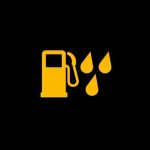
Fuel System / Water in Fuel Warning Light [click here to expand & close]
What is it?
This light means the vehicle has detected a problem with the fuel system, often water or contamination in the fuel.
On diesel vehicles in particular, sensors can detect water in the fuel filter before serious damage occurs.
In simple terms: the fuel going into the engine isn’t as clean as it should be.
Is it serious?
Yes — and it can get expensive quickly if ignored.
Contaminated fuel can cause:
■ Poor running or misfires
■ Loss of power or limp mode
■ Damage to fuel pumps and injectors
■ Complete no-start situations
The sooner it’s dealt with, the better the outcome.
What should you do?
■ Avoid hard driving.
■ Do not keep restarting the engine if it runs poorly.
■ Don’t assume the issue will “clear itself” — it won’t.
How we can help
At Fault Fixer, we can:
■ Diagnose fuel system and sensor faults
■ Confirm whether contamination is present
■ Advise on the safest next steps
If fuel contamination is confirmed, we’ll bring in Fuel Fixer, who specialise in:
■ Draining contaminated fuel
■ Cleaning the fuel system correctly
■ Getting vehicles restarted without replacing unnecessary parts
👉 If this light is on, act early — contact Fault Fixer or Fuel Fixer before fuel contamination causes serious damage.
Book your inspection and report now.
Our service is usually available same-day or next-day
Booking request form
To book your inspection please call us on 0333 366 0155, or complete the form below